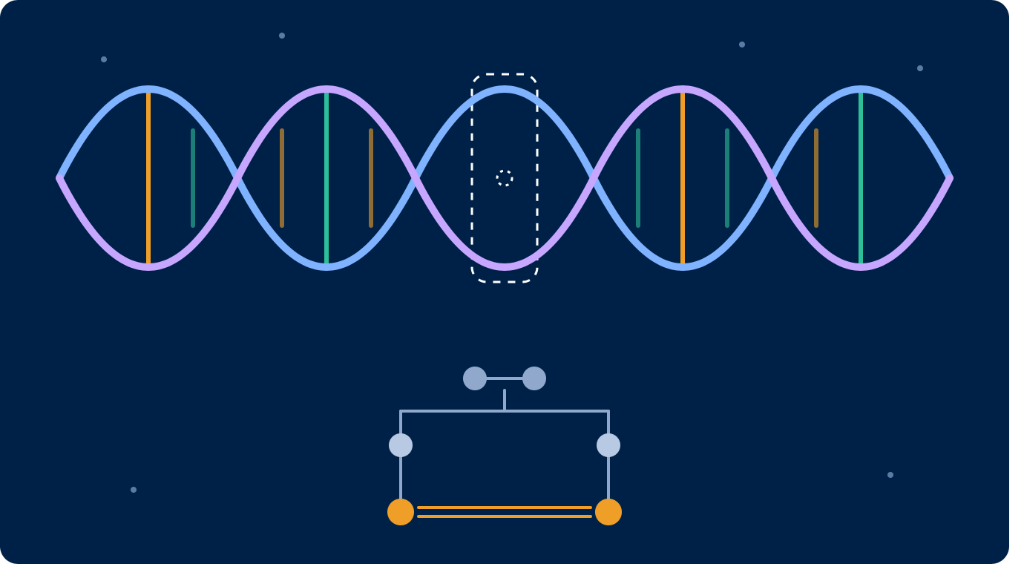
What if some of the most important clues to curing heart disease were hiding in a place where people have been marrying within their families for centuries?
A few years ago I wrote about why cousin marriages remain so common in Pakistan, tracing the tribal, religious, colonial and economic threads behind the tradition. I closed that piece by noting that the practice carries genuine health concerns, and that families deserve honest information to decide for themselves. I did not expect science to return to the subject with a twist. It did.
A Discovery That Shocked Geneticists
Researchers studied the genetic make-up of roughly 173,000 people in Pakistan. They found that more than 34,000 of them were missing one or more genes entirely.
That should not be possible. For decades, many of those genes were believed to be essential for human survival. Yet here were healthy, living, functioning adults without them. The finding caught the attention of the medical research community, and pharmaceutical companies took notice almost immediately.
Why Missing Genes Matter
Humans carry roughly 20,000 genes, which work a bit like biological switches. They influence how we look, how our bodies process food, how we respond to disease, and much more. If you want to know what a gene does, one of the best methods is to switch it off and watch what happens.
Scientists have long done this in mice, deliberately "knocking out" genes in the lab. It is useful, but it has limits. When drugs developed on mouse findings reach human trials, about nine out of ten fail, partly because human biology diverges from the rodent's in important ways.
The ideal experiment would be to find people whose genes are naturally switched off and see how they live. Scientists call such people human knockouts. They are extremely rare, and that rarity is where Pakistan enters the story.
The Doctor Who Followed the Heart Attacks
Dr. Danish Saleheen, working with the Center for Non-Communicable Diseases in Karachi, spent roughly two decades trying to understand why young Pakistanis were suffering heart attacks at elevated rates. This work grew into the PROMIS study.
Along the way, his team noticed something remarkable. In a population where marriage between relatives is common, recessive genetic variations are far more likely to surface. A recessive variant only shows its effect when a child inherits the same faulty copy from both parents. Relatives are more likely to carry the same rare variants, so those variants meet more often. His 2017 paper in Nature described how this produces natural knockouts: people with both copies of a gene disabled, and in many cases no obvious illness.
Some of the knockout findings reportedly trace to cousin marriages, with the video I watched putting the share at around 40 percent. It is a striking number, and I will come back to what it does and does not mean.
From Missing Genes to Medicine
Consider how many modern drugs work. They block a protein made by a particular gene. The cholesterol-lowering drugs that target PCSK9 are the classic example. Researchers noticed that some people naturally lack a working PCSK9 gene. They produce none of that protein, they have very low cholesterol, and they appear protected against heart disease (Cohen et al., 2006). Nature had already run the experiment, and it showed that switching off this one target was safe and beneficial.
That is the promise of human knockouts. Each missing gene is a possible blueprint: if a person lives well without it, a drug that blocks it may be safe, and if their disease risk drops, the drug may be powerful.
Some of the numbers reported from the larger study are striking:
- About 6,476 distinct genes found knocked out in the population.
- More than 6.6 million genetic variants never before documented anywhere in the world.
- A cohort efficiency gap: to find comparable diversity, researchers would need to sequence over 11 million people in Europe, but only about 1 million in Pakistan.
The research also shows how small genetic differences shape everyday experience. Variations in a gene such as TRPM8, which helps us sense cold, can change how sensitive a person is to temperature.
A Gap in Global Genomics
There is a quieter story here about who gets studied. South Asia holds about a quarter of the world's population, yet accounts for only around 2 percent of the global genomic database. For decades, drug development has leaned on a narrow slice of human diversity. If our medicines are designed from incomplete maps, we should not be surprised when they fail on the road. Researchers now plan to sequence up to a million people in Pakistan to widen that map.
The Other Side of the Story
This is where I want to slow down, because it would be easy, and wrong, to read this as a celebration of cousin marriage.
The same mechanism that produces a harmless or even protective knockout can produce serious disease. When parents are blood relatives, the chance that a child inherits two copies of a harmful recessive variant rises. Genetic counselling guidelines commonly cite a modest but real increase in the risk of birth defects and inherited disorders for children of first cousins compared with the general population. For individual families, this is not an abstract curiosity. It can mean children born with conditions that bring lifelong suffering and cost.
Both things are true at once:
- For science, a population with many recessive variants is an unusually informative natural laboratory.
- For families, that same genetic reality can carry risk.
A discovery that benefits global medicine does not erase a hardship that some Pakistani families bear. If anything, it raises a question of fairness. Communities whose genetic history makes the research possible should share in the benefits: access to genetic counselling, screening, and the drugs that eventually emerge. Participants should give informed consent, and their data should be protected. Research that draws on a population without giving back to it would repeat an old and unfortunate pattern.
What This Means for Families
Nothing in this research says cousin marriage is a good idea, and nothing says it is a sin. As I wrote before, the Quran does not forbid it, and scholars distinguish between what is permitted and what is encouraged. What the research does offer is more knowledge for decisions that families have always made on cultural, social and economic grounds.
Practical steps follow naturally:
- Couples who are related can seek genetic counselling before marriage or pregnancy.
- Families with a history of inherited disease can request carrier screening.
- Public health programmes can make such services accessible and affordable, especially in rural areas, where consanguinity is most common.
The goal is not to shame a tradition. It is to make sure that tradition and information travel together.
Conclusion
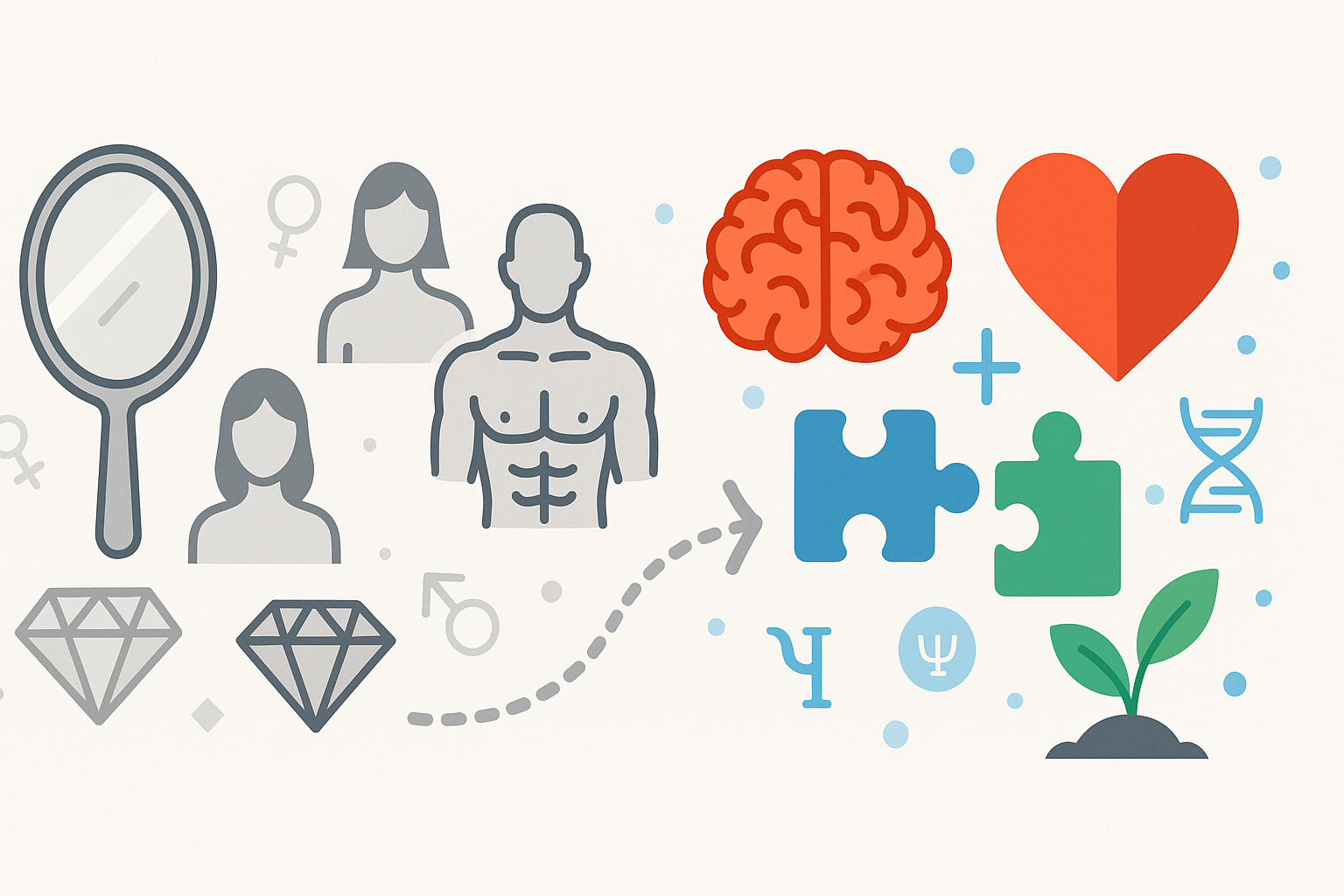
I find something almost poetic in all this. A practice often judged from the outside, as I experienced while studying overseas, has become the unexpected source of insights that could help millions of people everywhere. At the same time, the families living inside that practice deserve honest information, good healthcare, and a real share in what their genes help science learn.
Culture, biology and medicine rarely fit into tidy boxes. The more we study them, the more we find that the right response is neither judgment nor celebration, but curiosity, care and fairness.
Want the cultural, religious and economic background first? Read my earlier essay: Cousin Marriages in Pakistan: An Examination of Cultural, Historical, and Economic Factors.
References
Cohen, J. C., Boerwinkle, E., Mosley, T. H., & Hobbs, H. H. (2006). Sequence variations in PCSK9, low LDL, and protection against coronary heart disease. New England Journal of Medicine, 354(12), 1264-1272.
Saleheen, D., et al. (2017). Human knockouts and phenotypic analysis in a cohort with a high rate of consanguinity. Nature, 544, 235-239.

Discussion & Perspectives (1)
Thoughts, reflections, and critiques from academic peers and readers.
karkasnyy_ujEa
Oct 11, 2026[url=https://karkasnye-doma-spb11.ru]строительство каркасных домов в санкт-петербурге[/url] станет комфортным и энергоэффективным решением для загородной жизни. Свободное пространство между стойками заполняют теплоизоляционными материалами. Такой вариант хорошо подходит для территорий с неоднородной или слабой почвой. Заказчик выбирает количество этажей, размер помещений и форму здания. Для деревянных элементов важно использовать сухой материал с подходящей защитной обработкой.
Join the Discussion
Your email address will not be published. Protected against automated spam.