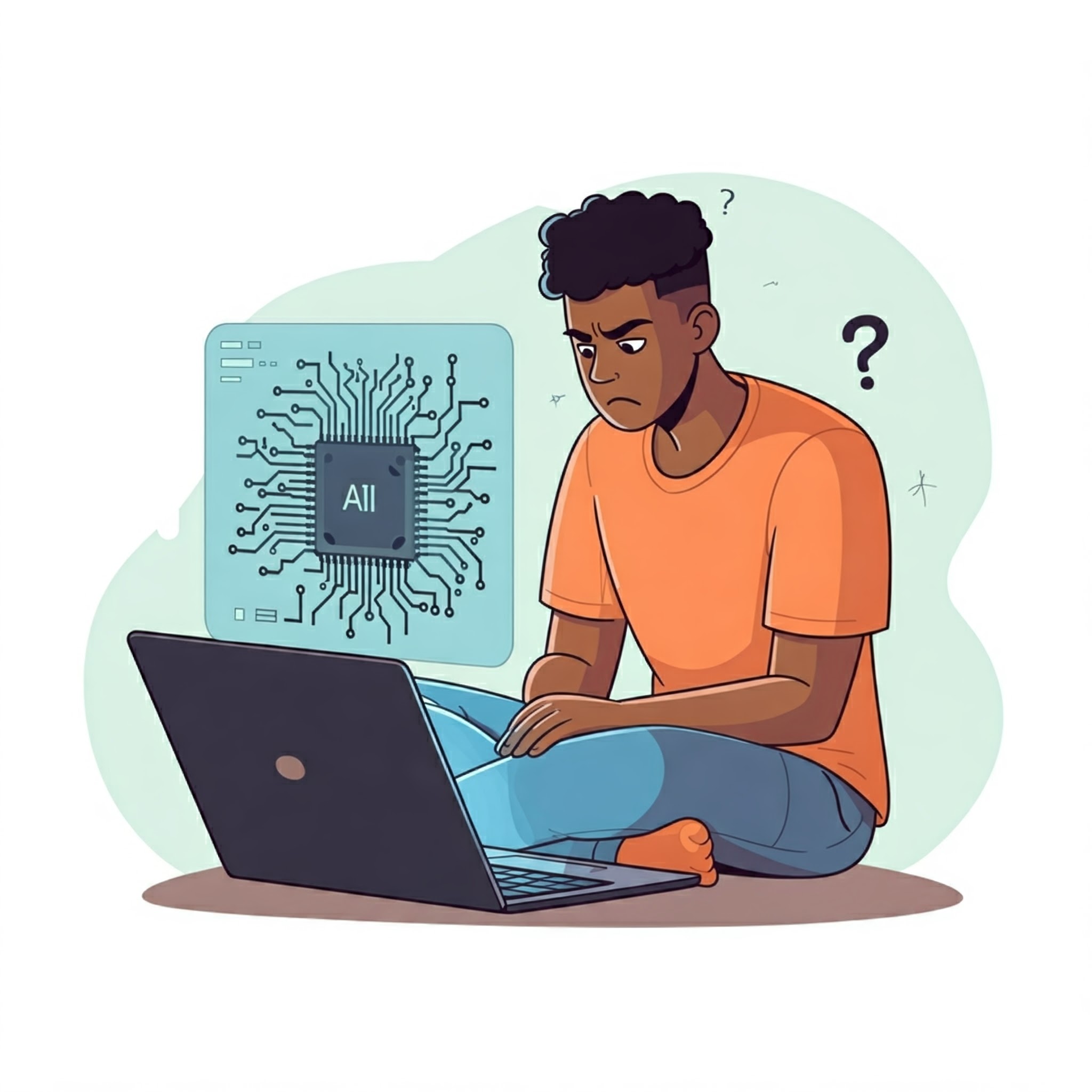
Hey everyone! I am fascinated by the world of AI, and I thought I would share my understanding of this exciting field. It seems like every day there's a new breakthrough, so I wanted to break it down in a way that's easy to grasp for the general audience.
Narrow vs. General AI
Think of AI like this: some AIs are specialists, and some are generalists. Narrow AI is like a master chef who can make the best Biryani in the world, but would not know how to bake a cheese cake. They are amazing at one thing! Remember Deep Blue, the chess AI that beat the world champion? That's narrow AI – a total pro at chess, but not much else.
General AI is more like us humans. We can learn different skills and do all sorts of things. General AI is still in its early stages, but it has huge potential. Take ChatGPT, for example. It's learning to chat, write stories, and answer questions on tons of topics. It is still kind of like an AI intern, but it is getting smarter all the time!
Six Levels of AI
To understand how advanced an AI is, we can think of them in six levels:
- No AI: This is like a simple calculator. It follows set rules but can't learn anything new.
- Emerging: This is where AI starts to get interesting. It can learn a bit and solve simple problems, kind of like a beginner. ChatGPT is at this level right now.
- Competent: Imagine an AI that's as skilled as half the professionals in a field. This is a big step up!
- Expert: This AI is as good as a top human expert. AlphaFold, an AI that predicts protein structures, is an example of this. It's even better than humans at its job!
- Virtuoso: This AI is like a superstar in its field, outperforming almost all humans. Remember Deep Blue? Definitely a virtuoso!
- Superhuman: This is the ultimate level – AI that's smarter than any human in a particular area. Right now, only a few narrow AIs, like AlphaFold, have reached this level.
The Future of AI
With all the progress in AI, it's natural to wonder if we will ever have superintelligent AI that surpasses humans in everything. It's a cool idea, but it's still a long way off.
Today's AIs are great at finding patterns and crunching data, but they struggle with things like true understanding and reasoning. They need tons of data to learn, and even then, they can't really think for themselves.
To get to superintelligence, AI needs to be open-ended – able to come up with new ideas and learn from them on its own. That's a big challenge for researchers!
Final Thoughts
Understanding the different types and levels of AI helps us make sense of this amazing technology. While narrow AI is already doing incredible things, the path to superintelligence is long and complex. As AI keeps getting smarter, it's important to think about its potential impact on our world and use it responsibly.
I hope this overview was helpful! What are your thoughts on the future of AI? Let me know!
References
Wikipedia contributors, “Deep Blue versus Garry Kasparov,” Wikipedia, Oct. 28, 2024. https://en.wikipedia.org/wiki/Deep_Blue_versus_Garry_Kasparov#:~:text=Deep%20Blue%20versus%20Garry%20Kasparov%20was%20a%20pair%20of%20six,York%20City%20by%203%C2%BD%E2%80%932%C2%BD.


Discussion & Perspectives (0)
Thoughts, reflections, and critiques from academic peers and readers.
Be the first to share your thoughts on this essay.
Thoughtful comments and civil critiques are welcomed.
Join the Discussion
Your email address will not be published. Protected against automated spam.